
By Alix Soliman and Guy Marzorati
Starting late next year, you might see a new flat charge of up to $24.15 on your monthly electric bill. That’s if the California Public Utilities Commission votes in favor of proposed changes to how Californians pay for power at a meeting Thursday.
The proposal is steeped in controversy. The CPUC said the change would lower electricity bills for many Californians, but critics argue it would do the opposite for middle-class families and others. Environmental groups are also torn over the proposed change. Some urge that it would help people convert to clean energy, while others say it won’t make a difference.
Most utilities in the U.S. already charge a fixed electricity rate. California’s new proposal would vary by income. Low-income households would pay $6 or $12, while middle-class and high-income households would pay $24. In addition, the usage rate — charged to consumers in cents per kilowatt hour — would drop.
California has the second-highest utilities rate after Hawaii. The national average fixed rate for electric bills is about $11 per month — the proposed standard rate for California is more than double that. Currently, California operates under a pay-as-you-go model, with improvements to the power grid wrapped into the overall usage rate.
Loretta Lynch, former president of the CPUC, said on KQED’s Forum that it would hurt coastal dwellers in apartments and small houses, who don’t use a lot of air conditioning.
“That means virtually all low-income customers in San Francisco and Oakland, and maybe even farther than that — those people are going to pay more,” she said.
However, Cynthia Martinez, spokesperson for the Predictable Power Coalition, which includes California’s three biggest utility companies, argued that a flat rate would lower costs for families struggling to pay their bills.
“For people who live in hotter climates, who really have no choice but to run their air conditioning more often, they’re paying higher costs that go toward grid upkeep,” Martinez said. Separating electricity usage costs from the cost to maintain the grid, she added, is more equitable and “will provide fairness.”
The fixed cost plan has vexed Democrats at the state capitol, who have been caught between wanting to promote energy conservation and help low-income customers. When a proposal to roll back the fixed rate plan came up in the Senate Energy, Utilities and Communications committee last month, all fourteen Democrats on the panel abstained from voting — preventing the proposal from advancing.
…
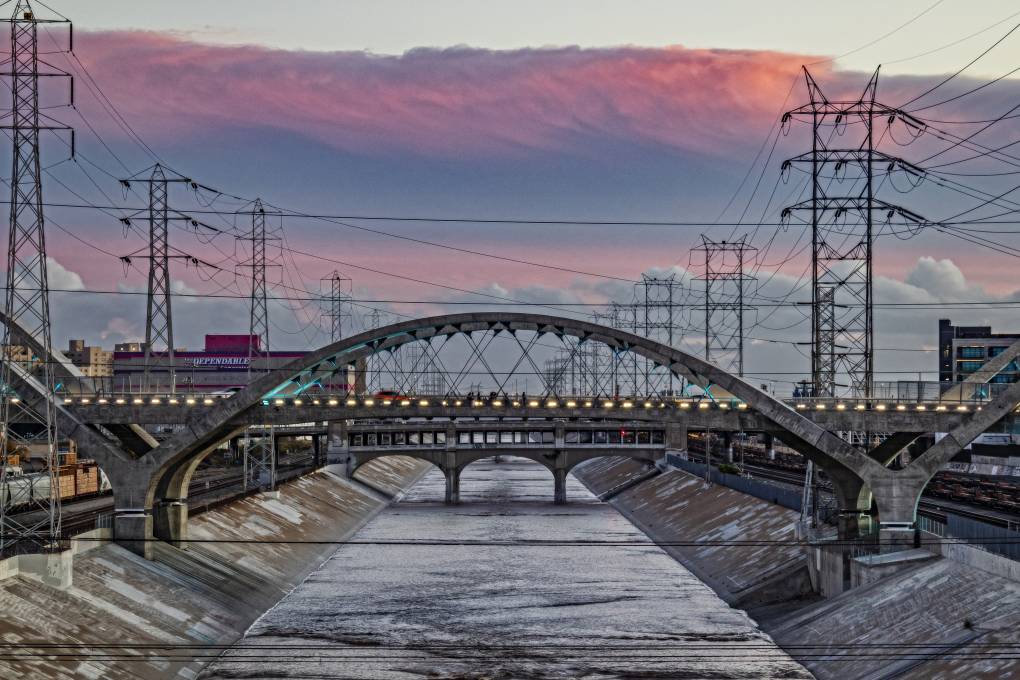
Featured photo: California’s new proposal would vary by income. Low-income households would pay $6 or $12, while middle-class and high-income households would pay $24. (Citizen of the Planet/Universal Images Group via Getty Images)
 ALIX SOLIMAN