
Reported, wrote and voiced feature for The California Report, starting at 5:16.
It’s finally warming up in California, and as more bugs come out in the heat, so do bats to feed on them. You might notice more bat droppings on your porch or patio… and one bat species is emerging from hibernation with a new distinction.
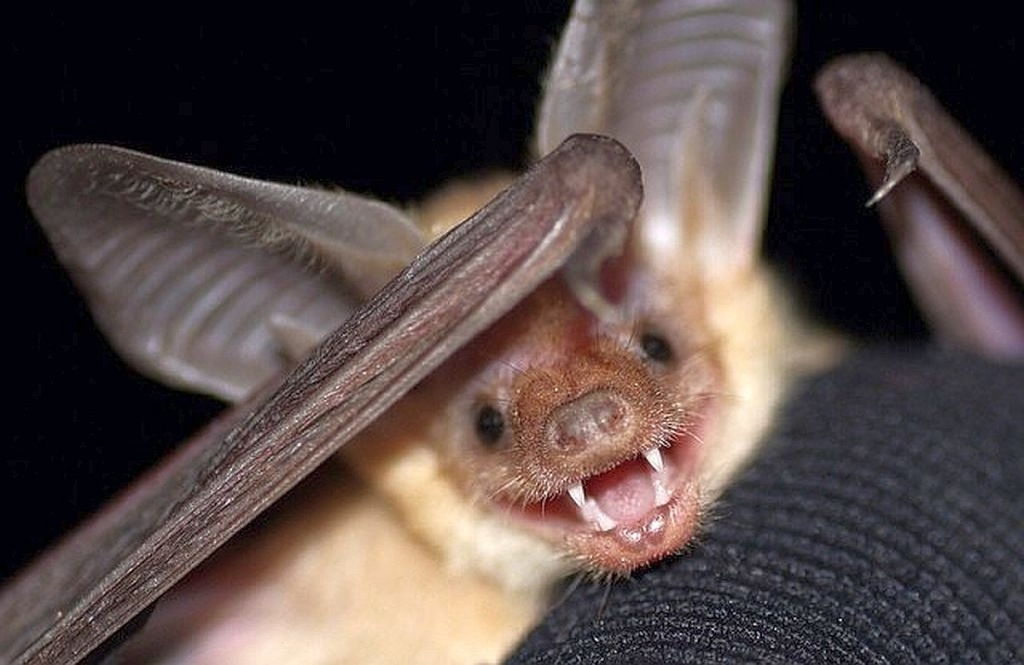
The pallid bat is now the official state bat of California, thanks to the advocacy of a 13-year-old named Naomi D’Alessio.
“Bat populations are declining in California and urgently need protections. Your vote today is a first step towards that.”
That was her speaking at a state senate hearing last year. She co-authored a bill with Senator Caroline Menjivar to name the pallid bat an official species of California.
KQED Reporter Alix Soliman tells us more
***
On a chilly evening at Antonelli Pond in Santa Cruz, bats swoop over the still water, making echolocation calls to find their prey.
Federal research ecologist Bethany Schulze sets up special microphones to collect bat calls.
“So that’s slowed down a little bit and lowered to a frequency that we can hear…”
That’s the call of yuma myotis, a common bat species which can eat half its weight in moths and flies each night.
“…and in this recording, it’s really neat, because you can see that there’s a feeding buzz here.”
Shultze points to rapid pulses of sound on a small screen, signaling that the bat is homing in on a bug. Her recordings can tell us about the health of our landscapes — as bats are sensitive to environmental stressors.
“They can be bioindicators of ecosystem health and function, you know, like the bat version of a canary in a coal mine.”
Hearing a ton of “feeding buzz” in the recordings means there are lots of bugs. Lots of bugs means that the habitat is healthy, since all 25 of California’s bat species hunt insects.
A healthy bat population is important for the state. They provide more than $1 billion dollars in pest control for California agriculture.
Joe Schirmer owns Dirty Girl Produce. He says bats are crucial on his 40-acre organic vegetable farm at the edge of Watsonville.
“They consume a huge amount of insects per night, so it’s easy to love ‘em, you know, when they’re working on your team… Increasing bat populations is going to be good for a sustainable agricultural system”
Schirmer hopes the golden state’s new official bat will teach people not to be scared of them.
“The more you know, the less you fear”
This is part of the reason California selected the pallid bat — a charismatic species that specializes in hunting scorpions.
It’s science night at Gardner Bullis Elementary in Los Altos Hills. Corky Quirk, an environmental educator, holds up a live pallid bat with huge ears, big eyes, and golden fur
“They are a species that flies low and slow. They hunt on the ground, so they’re really different from a lot of our other bats.”
5th-grader Finley Snedigar couldn’t be more excited. She dressed up as a bat for Halloween two years in a row.
“I’m really passionate about them. Maybe I could have inspired more bat lovers by being one.”
The state hopes the designation will bring awareness to these important and misunderstood creatures.
For The California Report, I’m Alix Soliman.
Photo courtesy of Ann Froschauer / USFWS
 ALIX SOLIMAN