
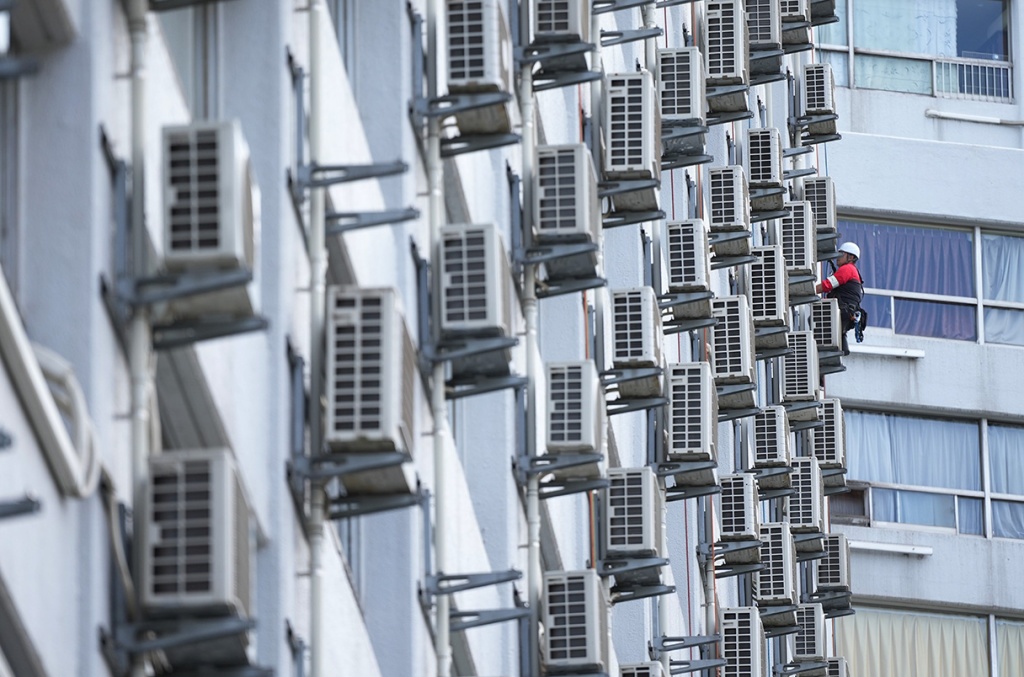
Hydrofluoroolefins could exacerbate global warming, though real-world implications are unclear
Call it a case of unintended consequences. In 2013, a new class of chemical refrigerants—used to cool everything from homes to freezers—replaced the ones that were destroying the ozone layer. But a study published this week finds that some of the new compounds, known as hydrofluoroolefins (HFOs), can create fluoroform, a gas that has a global warming potential 14,800 times worse than carbon dioxide.
Still, the actual implications of the work—published in the Proceedings of the National Academy of Sciences—are unclear, says Stephen Montzka, an atmospheric scientist at the U.S. National Oceanic and Atmospheric Administration who was not involved in the research. The amount of fluoroform produced by HFOs is minute, he notes, so they still have a lower global warming potential than chemicals used in the past.
…

